Introduction
Have you ever noticed how your car feels different on different days?
One day, it feels smooth, powerful, and effortless to drive. On another day, the same car might feel slightly sluggish, less responsive, or just “not right.”
You didn’t change anything — same fuel, same roads, same driver.
So what’s actually happening?
The truth is, your car’s performance is influenced by several hidden factors that most drivers are unaware of. Let’s break down the real reasons behind this everyday mystery.
1. Temperature Plays a Bigger Role Than You Think


Air temperature has a direct impact on engine performance.
Cooler air is denser and contains more oxygen, which helps the engine burn fuel more efficiently. This results in better power and smoother acceleration.
On the other hand, hot air is less dense, reducing combustion efficiency and slightly lowering performance.
That’s why your car often feels more responsive during early mornings or late evenings compared to hot afternoons.
2. Engine Warm-Up Matters
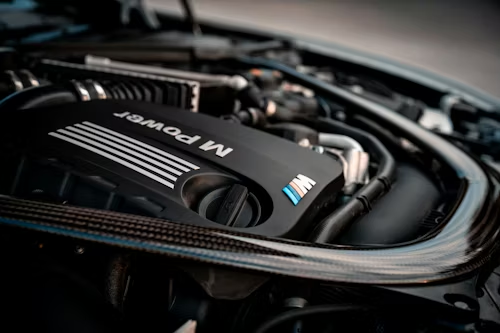
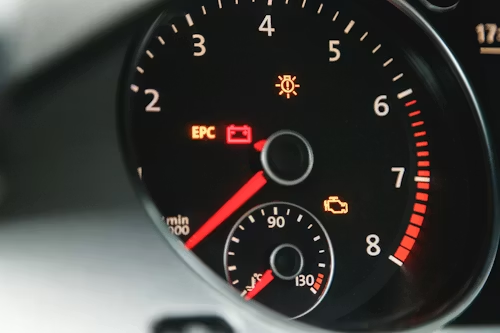
Even with modern engines, temperature still matters.
When you start your car, the engine is cold:
- Oil is thicker
- Internal friction is higher
- Combustion is less efficient
As the engine warms up, everything starts working optimally:
- Oil flows smoothly
- Components expand to proper tolerances
- Performance improves
Short trips often don’t allow the engine to reach its ideal operating condition, which can make the car feel less responsive.
3. Fuel Quality Can Vary Slightly
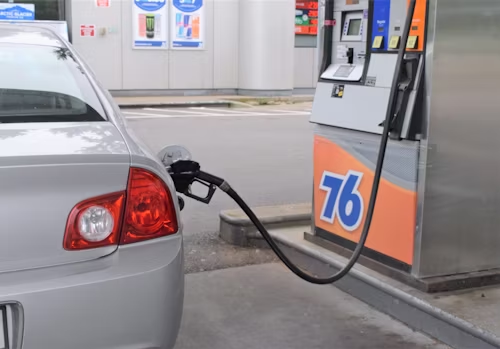
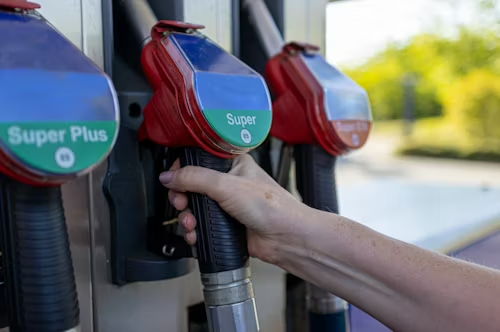
Even if you refuel at the same petrol station, fuel quality isn’t always identical.
Factors that can influence fuel performance include:
- Ethanol blending ratios
- Storage conditions
- Supply variations
These differences are minor, but modern engines are sensitive enough for you to feel subtle changes in power and smoothness.
4. Tyre Pressure and Road Conditions
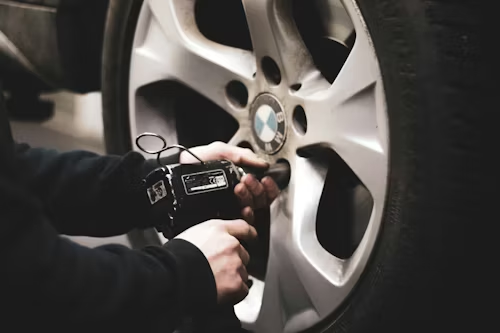

This is one of the most overlooked factors.
Incorrect tyre pressure can significantly affect how your car feels:
- Low pressure → heavier steering, reduced efficiency
- High pressure → sharper response but less comfort
Road conditions also play a role:
- Smooth roads make the car feel refined and quick
- Rough or uneven roads make it feel slower and less stable
Sometimes, it’s not the car — it’s the surface you’re driving on.
5. Air Conditioning Load
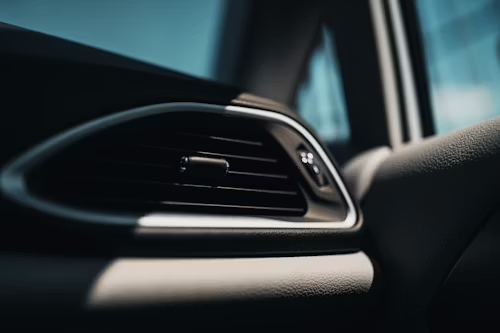
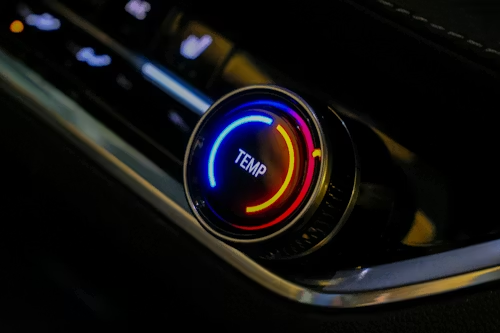
Turning on the air conditioning adds load to the engine.
The AC compressor draws power, which slightly reduces the engine’s available output — especially noticeable in smaller engines.
That’s why your car may feel quicker and more responsive when the AC is turned off.
6. Your Driving Style and Mood


This might sound surprising, but it’s true.
Your driving behavior changes based on:
- Mood
- Energy levels
- Traffic conditions
For example:
- When you’re relaxed, your inputs are smoother
- When you’re tired or stressed, acceleration and braking may feel less controlled
This directly affects how the car responds, making it feel different even if nothing mechanical has changed.
7. Adaptive Systems in Modern Cars


Many modern cars come with adaptive systems, especially automatic transmissions.
These systems learn your driving patterns:
- Aggressive driving → delayed gear shifts for performance
- Smooth driving → early gear shifts for efficiency
Over time, the car adjusts its behavior based on your habits, which can change how it feels day-to-day.
Conclusion
Your car isn’t behaving randomly — it’s responding to a combination of factors.
From temperature and engine condition to fuel quality, tyre pressure, and even your mood, multiple elements influence how your car performs on any given day.
Understanding these factors not only helps you become a better driver but also allows you to maintain your car more effectively.
So the next time your car feels “different,” you’ll know exactly why.