Ever wondered why your friend’s car gives better mileage than yours — even though it’s the same model, same engine, and same fuel? The answer isn’t magic. It’s science.
In this article, we uncover the real reasons behind fuel economy differences, backed by engineering logic and real-world driving behaviour.
Why Mileage Numbers on Paper Rarely Match Reality
Car manufacturers test mileage under controlled laboratory conditions. These tests are useful for comparison, but real roads introduce variables like traffic, terrain, weather, and driving habits.
That’s why the same car can deliver:
- 20 km/l for one driver
- 14 km/l for another
Let’s break down why.
1. Driving Style: The Biggest Mileage Killer
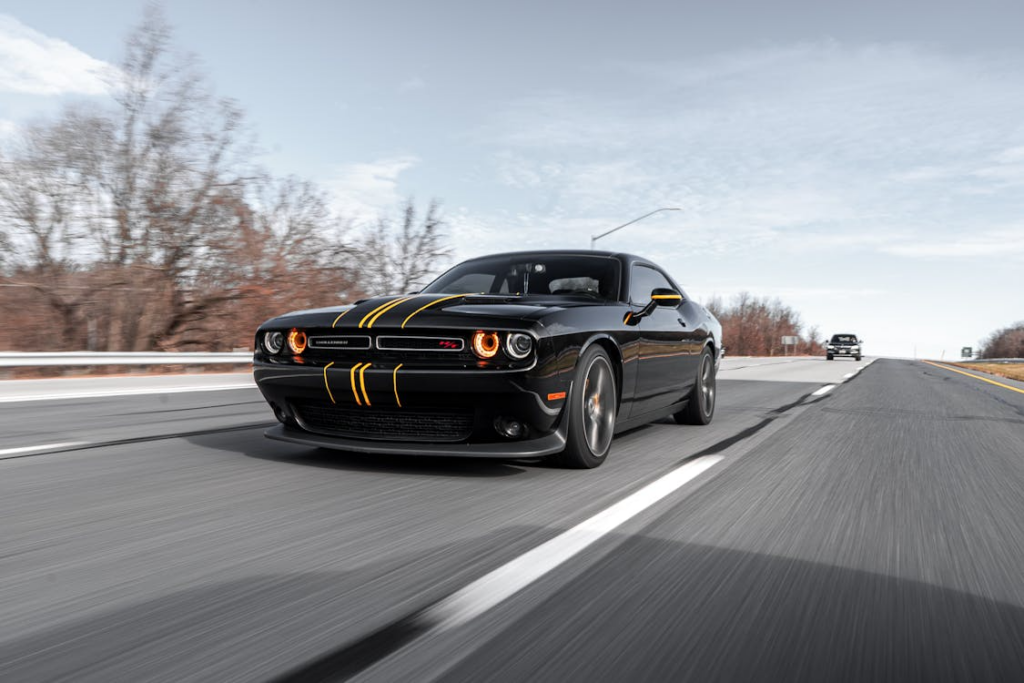
Your right foot controls your fuel bill more than you think.
Aggressive Driving
- Sudden acceleration
- Late braking
- High RPM driving
All of these force the engine to inject more fuel.
Smooth Driving
- Gradual acceleration
- Early gear shifts
- Maintaining steady speed
This keeps the engine in its most efficient RPM band, improving mileage significantly.
2. Gear Shifting Timing Matters More Than Speed
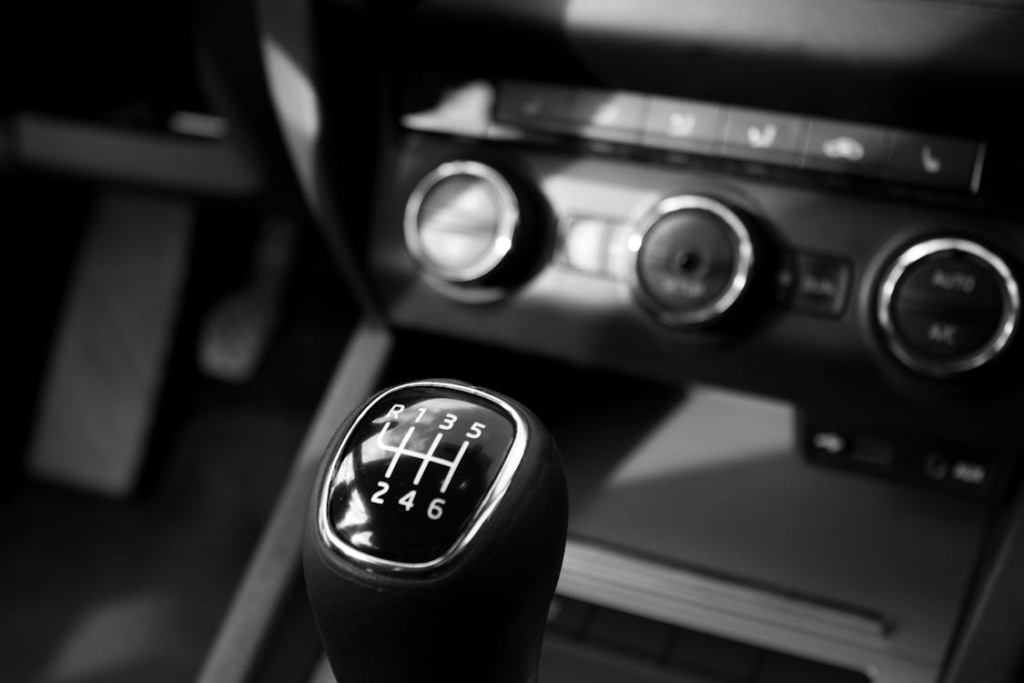
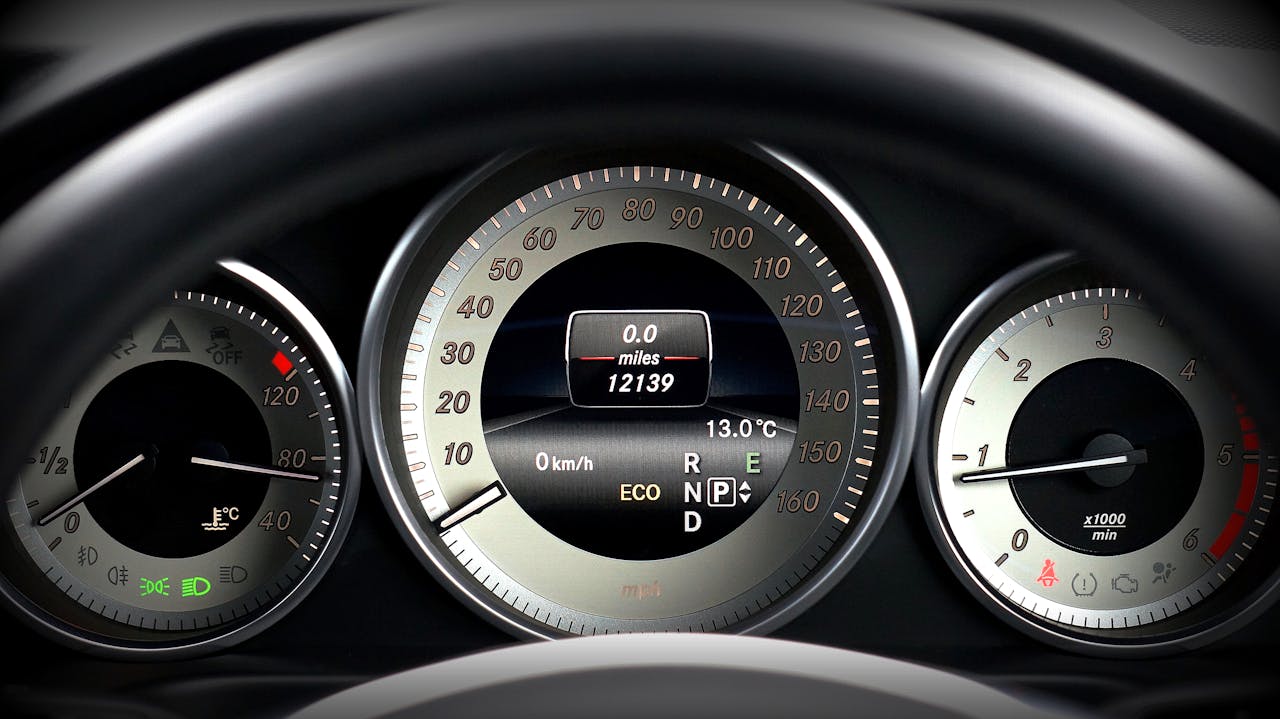
Driving fast doesn’t always mean low mileage — driving at the wrong RPM does.
- Petrol engines are most efficient between 2,000–3,000 RPM
- Diesel engines prefer 1,500–2,500 RPM
Holding lower gears too long burns extra fuel without adding useful power.
3. Tyre Pressure: Small Neglect, Big Loss
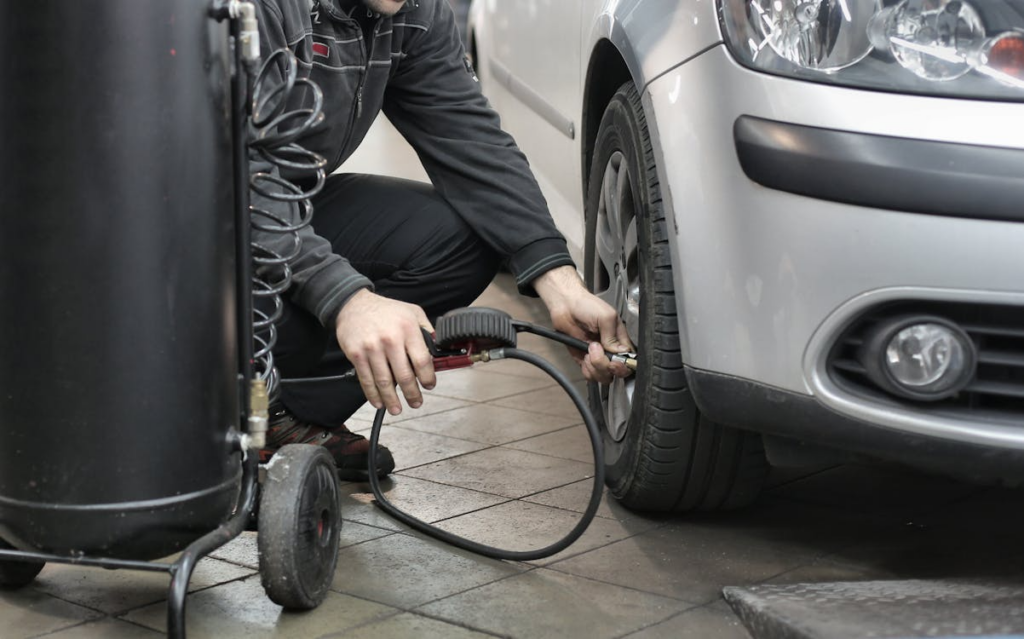
Under-inflated tyres increase rolling resistance, forcing the engine to work harder.
Even 5–7 PSI lower pressure can reduce fuel efficiency by 5–10%.
Pro tip: Check tyre pressure every 2 weeks, preferably in the morning.
4. Vehicle Load & Aerodynamics

Your car is not a storage unit.
Extra weight = extra fuel.
Common mileage killers:
- Heavy luggage in the boot
- Roof carriers (even when empty)
- Poorly fitted accessories
At highway speeds, aerodynamic drag increases exponentially, directly impacting fuel economy.
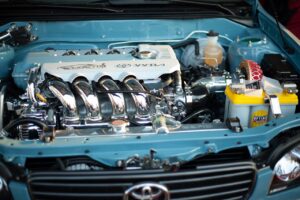
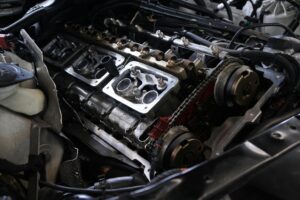
5. Engine Condition & Maintenance
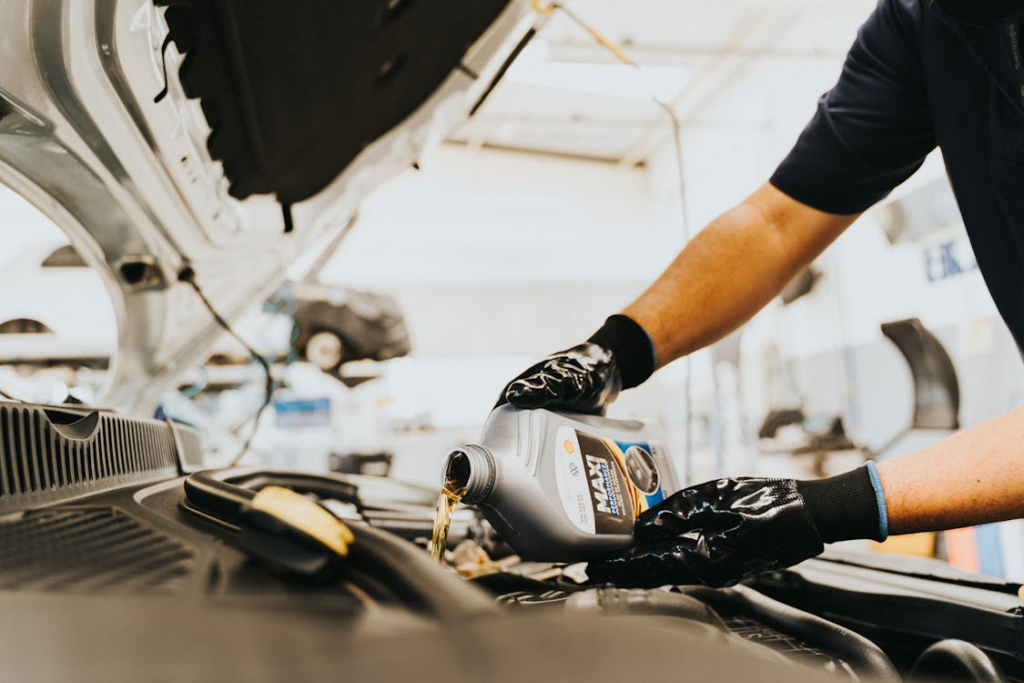
Two identical cars won’t behave the same if one is poorly maintained.
Mileage drops when:
- Engine oil is old or incorrect grade
- Air filter is clogged
- Spark plugs are worn
- Wheel alignment is off
Regular servicing ensures the engine operates at optimal efficiency.
6. Traffic & Route Choice
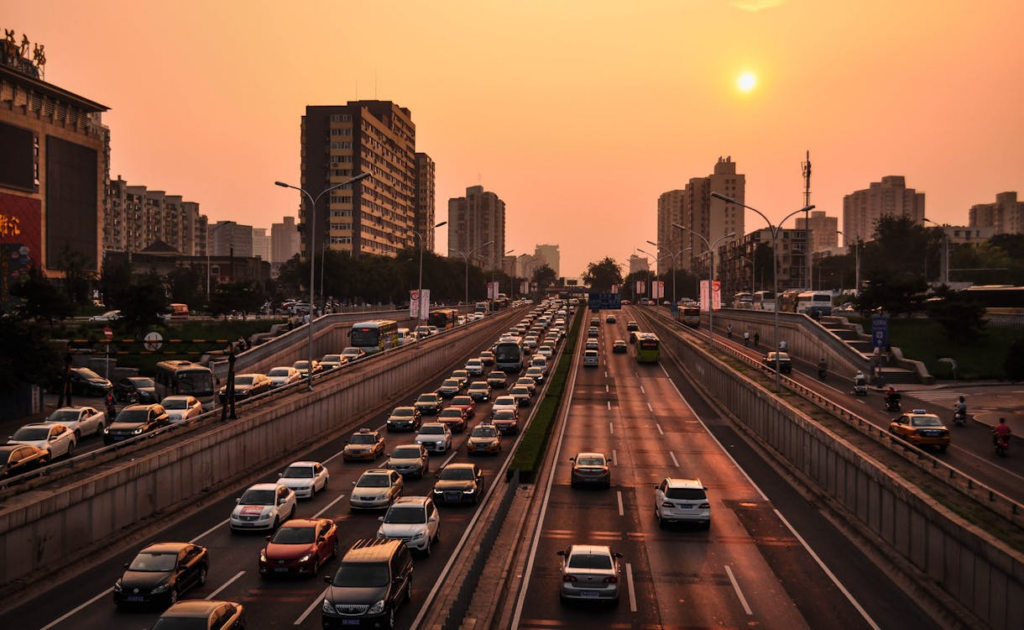
Stop-and-go traffic is the enemy of fuel economy.
- Frequent idling
- Constant braking
- Short trips with cold engines
Modern engines consume more fuel when cold, which explains why city mileage is always lower.
7. Fuel Quality & Driving Environment
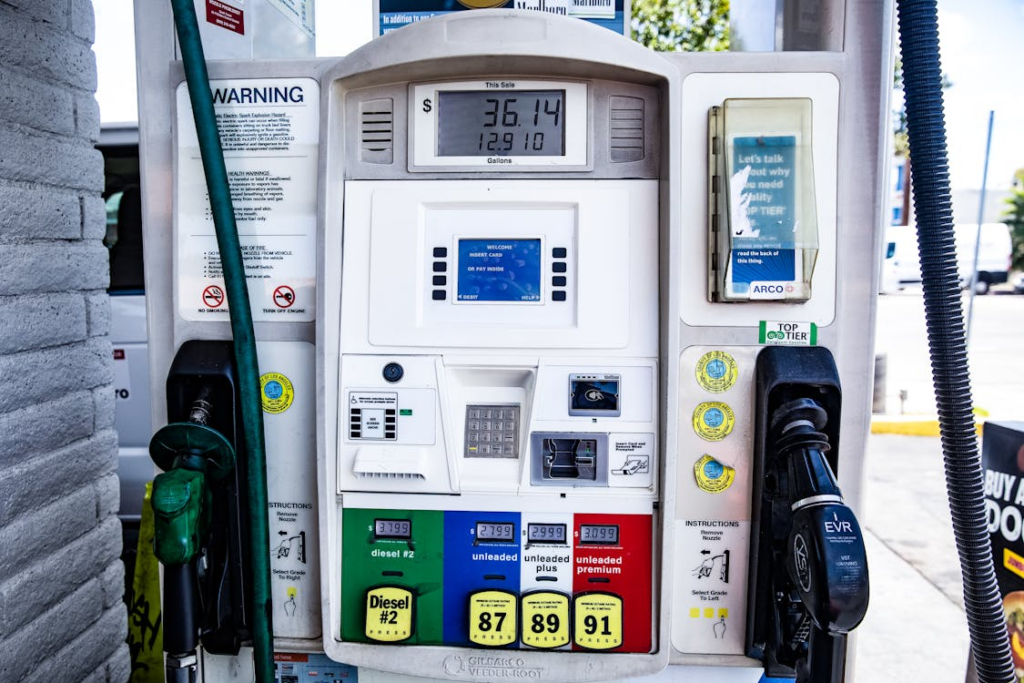
Not all fuel is created equal.
Factors affecting mileage:
- Poor fuel quality
- Extreme temperatures
- High altitude driving
Turbocharged engines, in particular, are sensitive to fuel quality and ambient conditions.
Why Mileage Is Personal — Not Universal
Mileage depends on a combination of machine + human behaviour.
Two drivers, same car, same road — different results.
Once you understand this, you stop blaming the car and start optimizing the experience.
Final Thoughts: Mileage Is a Skill You Can Learn
Fuel efficiency isn’t just about buying the right car — it’s about driving it right.
Master these habits, and you’ll see:
- Better mileage
- Smoother drives
- Lower maintenance costs
- Longer engine life
Because every engine tells a story — and how you drive decides how long it lasts.